
Finding a nursery is only half the challenge
Location matters, but so do availability, fees and the right fit for your child. A closer look at the decisions parents face when searching for childcare.
October 7, 2026
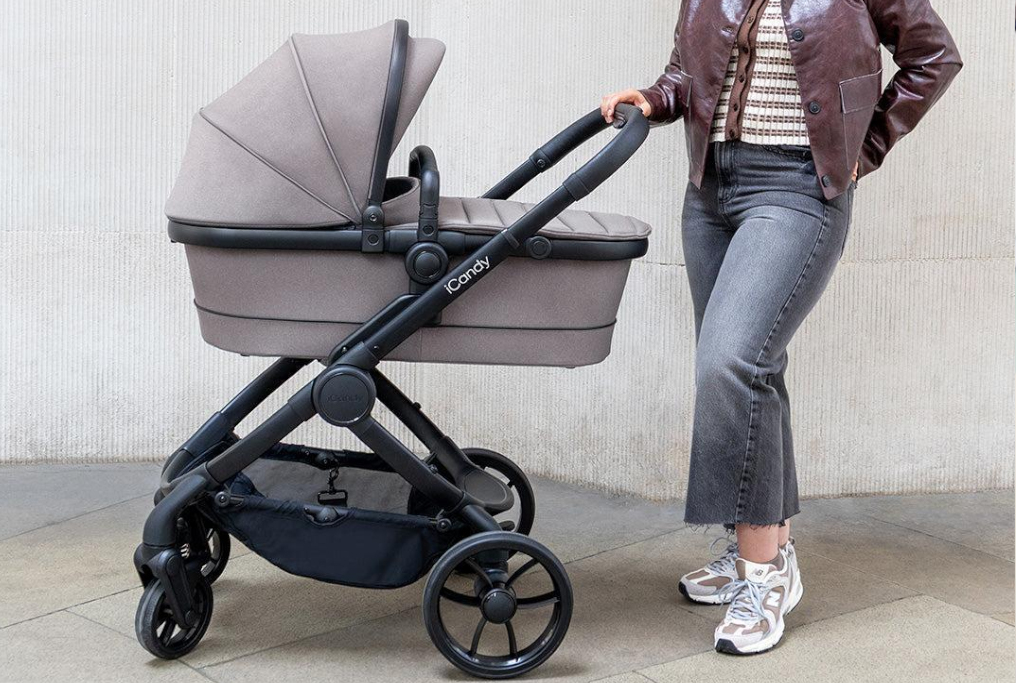
Prams, cots and carriers can cost hundreds but quickly be outgrown. We explore where renting makes sense and what parents need to consider before signing up.

Preparing for a baby often comes with a very long shopping list. Some purchases will be used for years, while others suit a particular stage before becoming another bulky item to store or sell.
Baby equipment rental gives parents another option where they can access the equipment they need without committing to the full up-front purchase price.
At NUA Growth, our work with baby equipment brands including rental specialist Baboodle, has given us an interesting look at how these services work.
Shorter periods of use are often where rental becomes most attractive. A travel stroller for a holiday or a bedside crib for the early months would only be used for a limited amount of time.
Consider a hypothetical £600 product rented for £30 a month. Six months would cost £180 before delivery or other charges. After 20 months, rental payments would equal the purchase price.
That makes the expected length of use essential. You should also consider second-hand prices, potential resale value and whether an item could be used again for another child.
Equipment that a baby has outgrown may still have plenty of useful life left. Passing it between families can keep it in use for longer and reduce the need for each household to buy new.
This follows the principle of reuse supported by environmental organisation WRAP. Rental services can support that approach through maintenance and repairs between customers. The Waste and Resources Action Programme
The ecological impact still depends on how the service operates. Delivery journeys, cleaning and the number of times a product is reused all need consideration. Keeping equipment in circulation offers an opportunity to reduce waste, although specific carbon savings need evidence.
Before signing up, compare the full cost over the expected rental period. Read the minimum term, cancellation conditions, delivery fees and charges for damage or missing parts.
Ask how products are cleaned, inspected and maintained, what happens if something breaks, and whether all necessary accessories are included. For sleep products, check the mattress arrangements and current safer sleep guidance.
Rental could become a more familiar part of preparing for parenthood, particularly for equipment needed for short periods of time. Buying may make more sense for products used over several years.
Our experience at NUA Growth points to an opportunity for baby brands to make these comparisons easier. Showing the full costs and explaining how products are reused gives parents a stronger basis for deciding what works for their family.
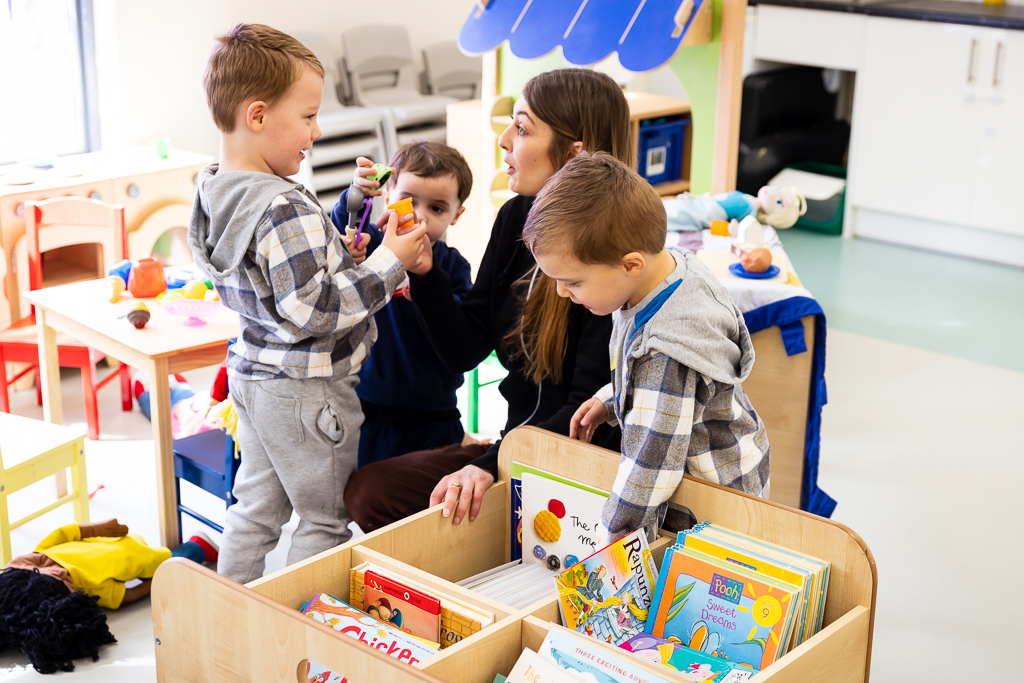
Location matters, but so do availability, fees and the right fit for your child. A closer look at the decisions parents face when searching for childcare.
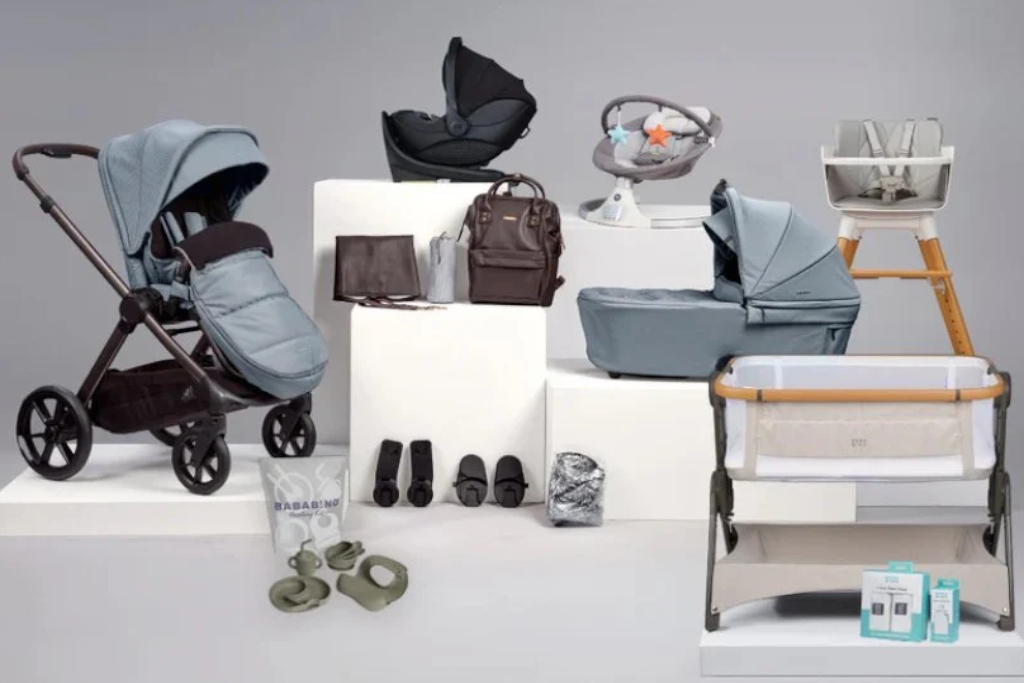
The spending doesn’t stop once the nursery is ready. From nappies to childcare, we explore the costs worth planning for and where families can make savings.